
Considering a CO2 Laser? Here's What Cold Fibre Technology Delivers Without the Numbing or the Downtime
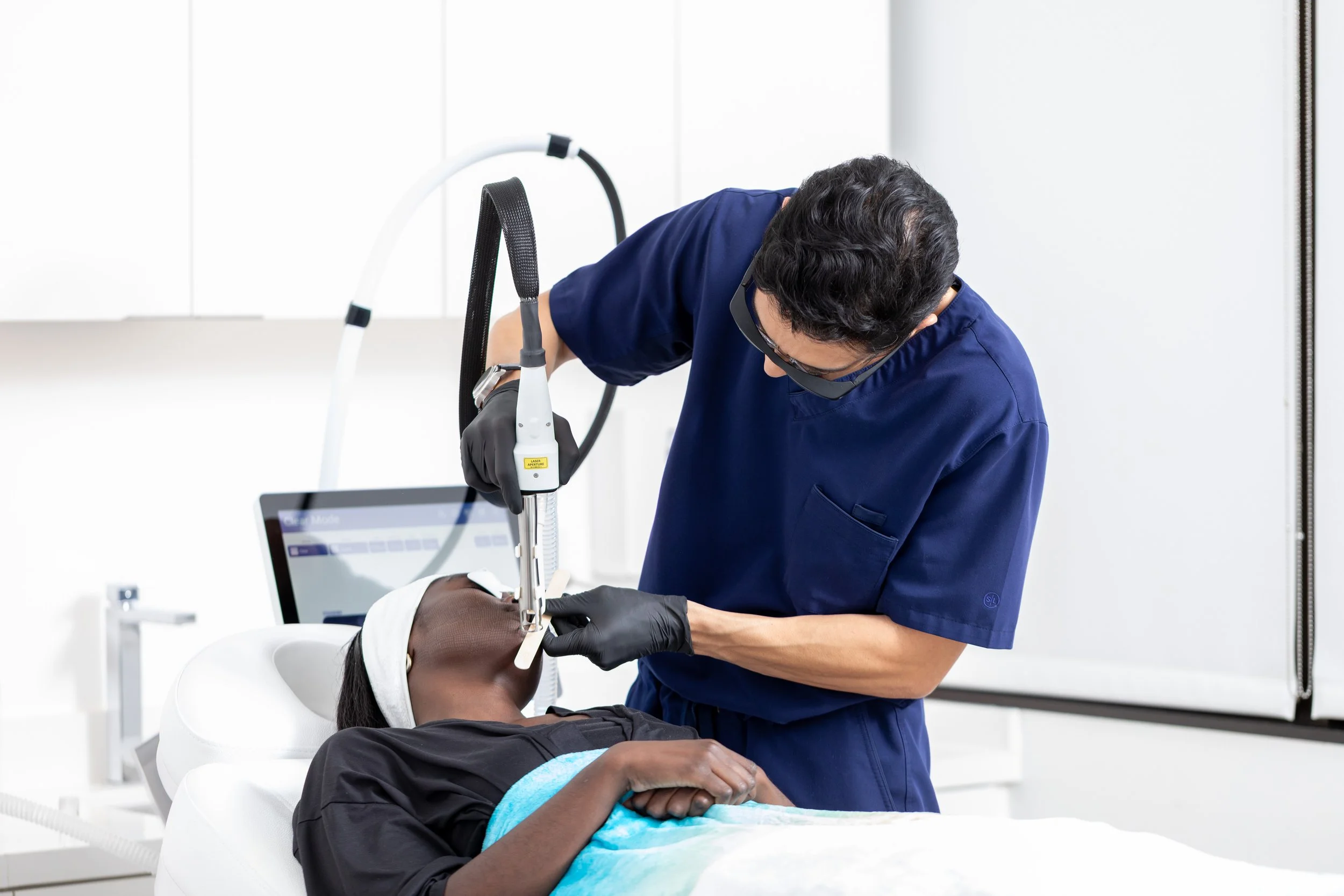
If you're a dermal clinic or skin clinic owner researching ablative laser resurfacing, chances are CO2 or Erbium YAG are already on your shortlist. They're the names most practitioners learn first, and for good reason: ablative resurfacing remains one of the most effective categories for treating texture, scarring and photoageing.
But before you sign off on a traditional CO2 or Erbium platform, it's worth understanding a newer category that's changed the calculation for Australian practitioners: Cold Fibre laser technology. Cold Fibre is an ablative laser approach designed to achieve the same category of resurfacing results as CO2 or Erbium, while addressing the downtime, discomfort and skin-type limitations those platforms are known for.
What Makes Cold Fibre Different
Traditional ablative lasers work by heating and vaporising skin tissue to trigger collagen remodelling. That's effective, but it typically comes with trade-offs: topical or injected numbing before treatment, visible downtime afterwards, and real limitations on which skin types and ethnicities can be treated safely, due to higher risk of post-inflammatory pigmentation in darker Fitzpatrick types.
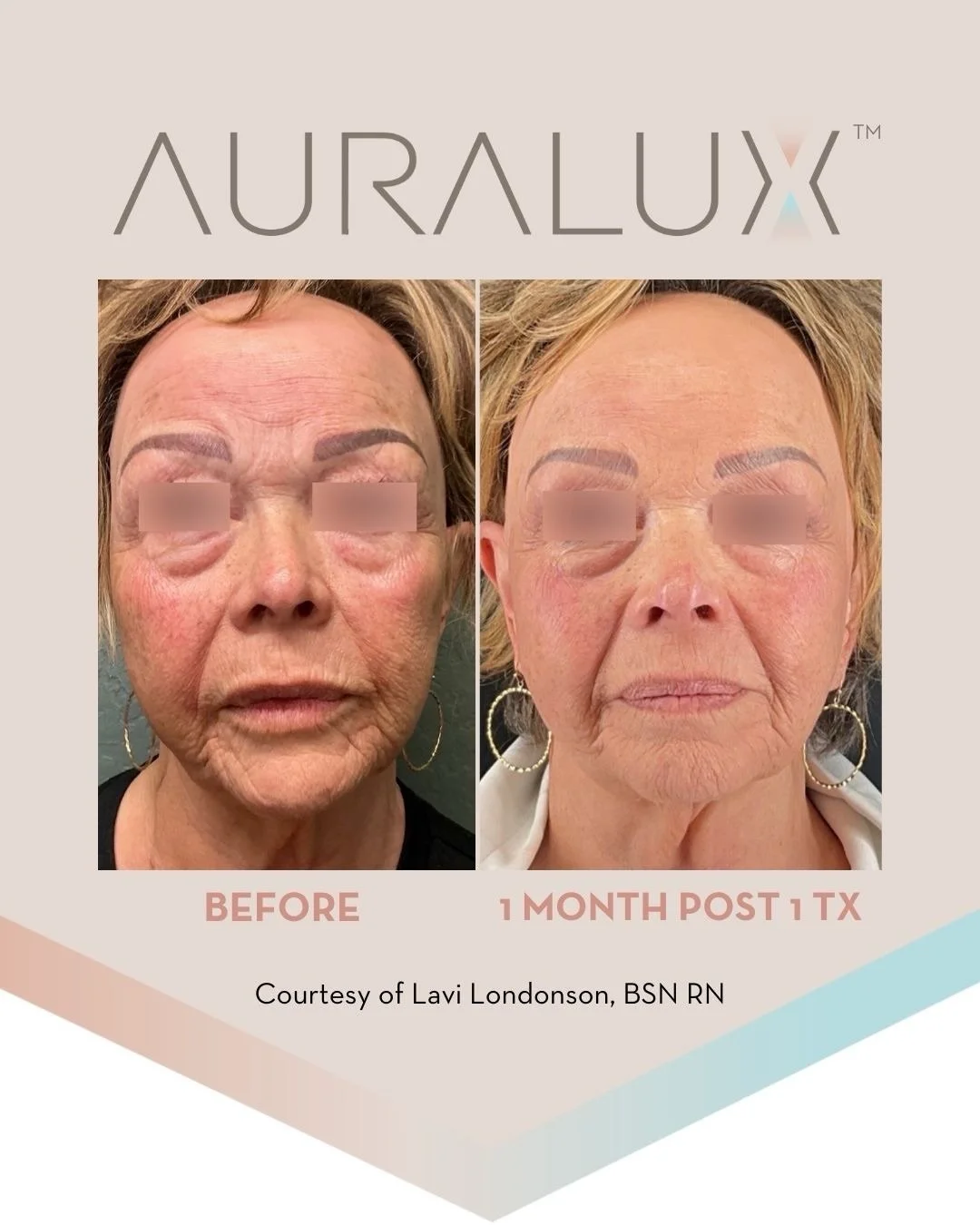
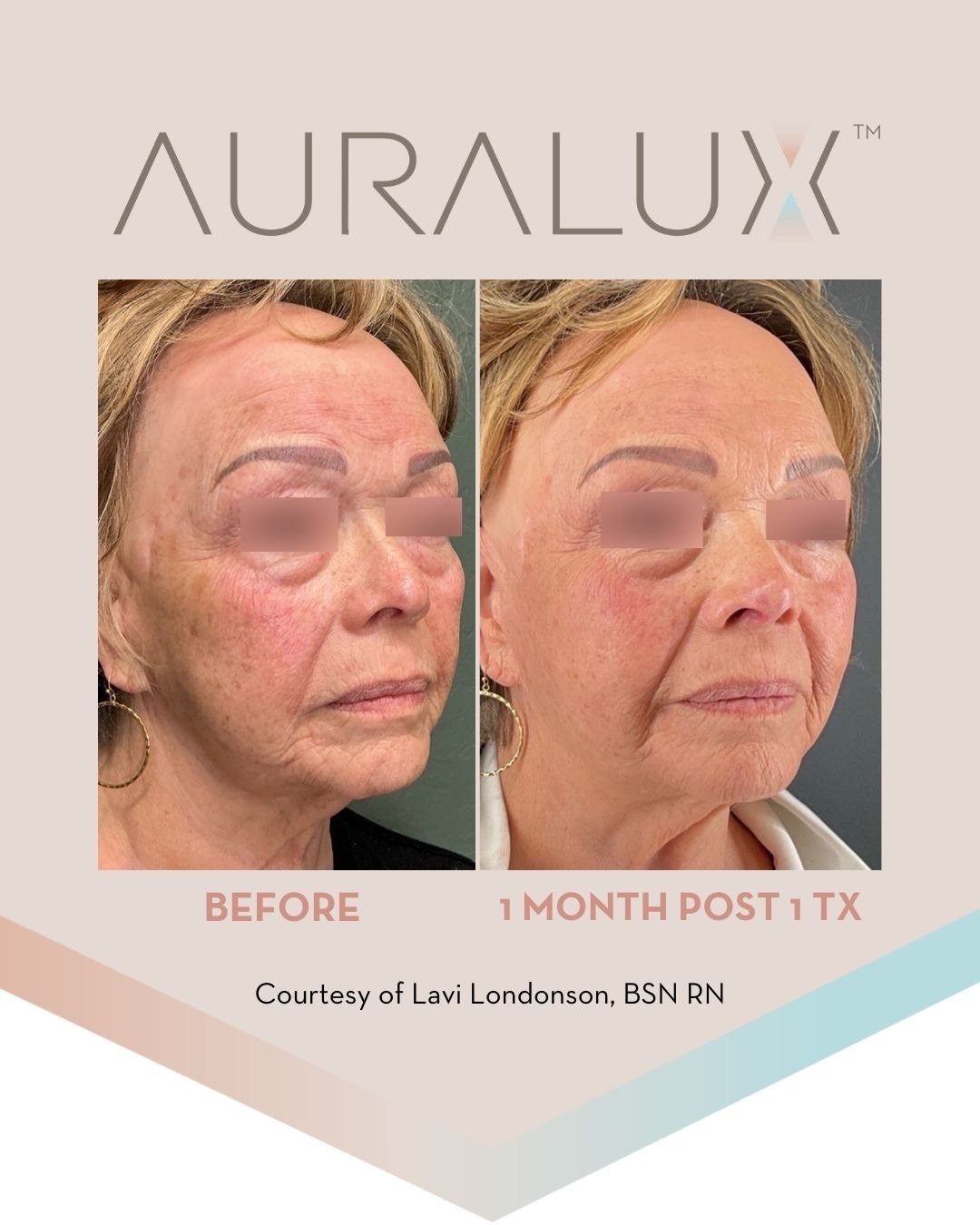
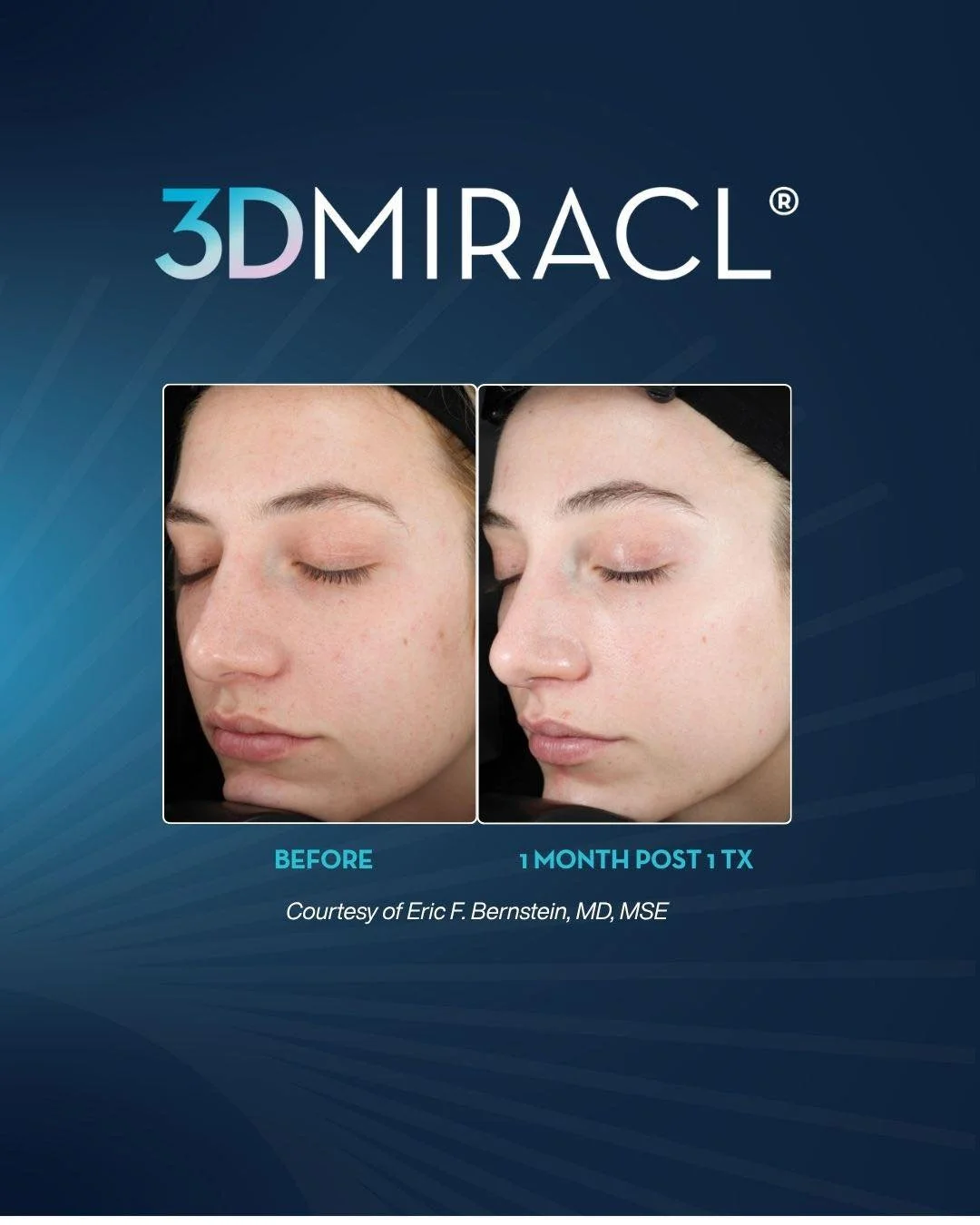
Cold Fibre laser technology, delivered through AuraLux by Acclaro, was engineered around those specific trade-offs. It's a 2910nm ablative laser platform, and the hero treatment it delivers, 3DMIRACL, is built to achieve dramatic resurfacing results with meaningfully less discomfort and less visible downtime than clients typically associate with ablative treatment. All in only 15 minutes - a session length that lifts patient satisfaction, lets you treat more clients per day, and with a premium price point, significantly improves ROI.
The other point worth flagging for clinic owners specifically: AuraLux is designed to be used across all skin ethnicities and colours, which matters if you're currently turning away clients with darker skin types because your existing device carries too much pigmentation risk.
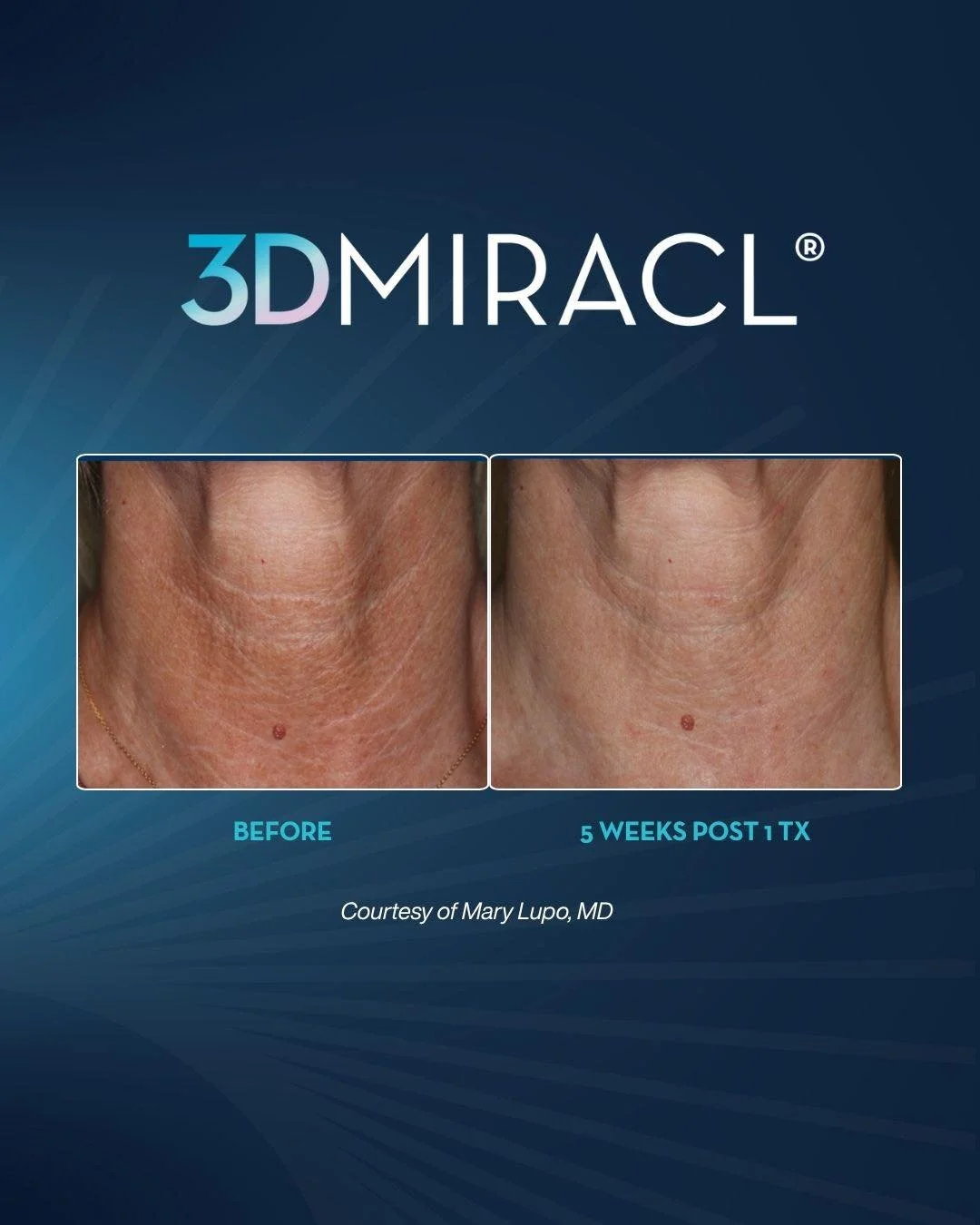
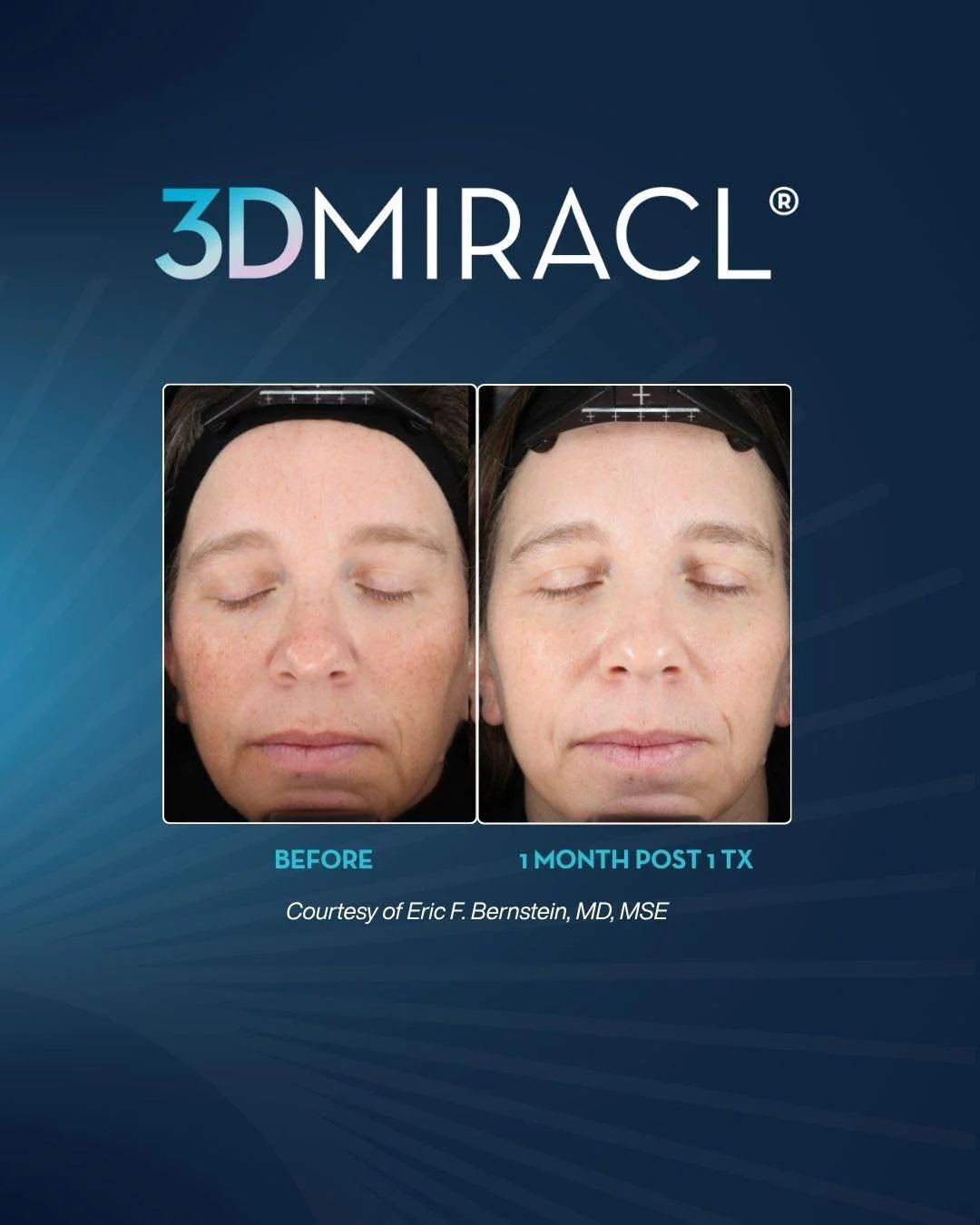
Why This Matters for Your Client Base, Not Just Your Equipment List
Clients researching "laser resurfacing near me" are increasingly asking about downtime and discomfort before they ask about the technology name. A treatment that previously meant a week of visible recovery and a numbing appointment is a hard sell for working professionals. If your clinic can offer a comparable ablative result with an easier, faster recovery, that's not just a marketing angle, it's a genuine access point to clients who've been avoiding ablative treatment altogether.
What to Ask Before You Buy Any Ablative Platform
Whichever technology you're evaluating, the questions are the same:
What's the realistic downtime for the average client, in days, not marketing language?
Does the device carry ARTG listing or registration for the indications you intend to market?
What skin types and Fitzpatrick classifications is it validated for?
What does numbing or pre-treatment actually involve in practice?
What's the training and clinical support pathway if this is a new modality for your team?
If you're weighing up a traditional CO2 or Erbium platform against a Cold Fibre system like AuraLux, these are the questions that will tell you more than any spec sheet.
Frequently Asked Questions
What is Cold Fibre laser technology? Cold Fibre is an ablative laser technology, delivered through AuraLux by Acclaro, engineered to achieve resurfacing results comparable to CO2 or Erbium YAG lasers, with less discomfort, less visible downtime, and broader suitability across skin types.
How is Cold Fibre different from a CO2 or Erbium laser? Traditional CO2 and Erbium lasers work by heating and vaporising skin tissue, typically requiring numbing before treatment and visible downtime afterwards, with limitations for darker Fitzpatrick skin types. Cold Fibre technology is designed to reduce these trade-offs while still delivering ablative-category results due to exclusive CoolPulse™ Laser technology. CoolPulse™ creates less thermal injury to surrounding tissue, delivering a gentler, more effective way to deposit controlled heat into the skin, for greater comfort, faster recovery and lasting rejuvenation.
Is AuraLux by Acclaro ARTG registered? Yes. AuraLux is included on the Australian Register of Therapeutic Goods (ARTG Identifier 523486) as a Class IIb medical device. Its intended purpose covers dermatological procedures including skin resurfacing, treatment of wrinkles and fine lines, scar revision, benign pigmented lesions and vascular dyschromia, among other indications. Always confirm current registration status and approved indications with your PAS BDP.
Is AuraLux suitable for all skin types and skin tones? Yes. AuraLux is designed to be used across all Fitzpatrick skin types, addressing a key limitation of traditional ablative lasers, which carry a higher risk of post-inflammatory pigmentation in darker skin.
What treatment does AuraLux deliver, and how long does it take? AuraLux delivers 3DMIRACL, its hero ablative resurfacing treatment, using 2910nm Cold Fibre laser technology in a session of only 15 minutes.
Who distributes AuraLux in Australia? Pro Aesthetic Solutions distributes AuraLux by Acclaro in Australia and works directly with dermal and skin clinics evaluating their next ablative investment.
If you'd like a side by side look at how Cold Fibre compares to the platform you're currently considering, including real downtime and comfort data, get in touch for a clinical consultation.
📞 1800 625 387 | proaestheticsolutions.com.au